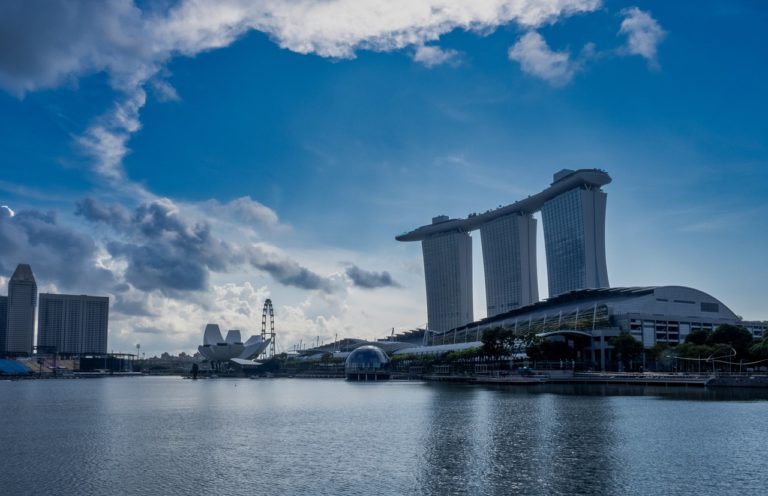
The gaming industry in Singapore has matured into a multifaceted sector that extends well beyond entertainment. Once perceived primarily as a leisure activity, gaming now represents a significant component of the country’s digital economy, intersecting with technology, media, finance, and tourism. Supported by strong infrastructure, regulatory clarity, and international connectivity, Singapore has positioned itself as a regional hub for gaming businesses and innovation in Southeast Asia.
Defining Gaming in the Singapore Context
In Singapore, the term “gaming” encompasses a wide range of interactive digital and physical experiences.
Mobile Gaming
Mobile gaming represents the largest segment in terms of participation and revenue. With high smartphone penetration and strong consumer spending power, mobile games dominate the local market and serve as a key revenue driver for both local studios and multinational publishers operating in the country.
PC and Console Gaming
PC and console gaming remain influential, particularly among core gamers and esports participants. While smaller in consumer volume compared to mobile gaming, these platforms play a critical role in competitive gaming, game streaming, and global content distribution. Singapore-based companies frequently develop or manage PC and console titles for international audiences, reinforcing the country’s position as a regional operations and publishing hub.
Virtual and Augmented Reality Gaming
Virtual reality and augmented reality gaming form a growing and strategically important segment. These technologies are increasingly applied not only in entertainment but also in education, healthcare, training simulations, and enterprise solutions. Singapore’s emphasis on advanced technology adoption has enabled VR and AR gaming to evolve alongside broader digital transformation initiatives.
Business Growth and Economic Potential
From a business perspective, Singapore’s gaming industry has demonstrated consistent growth and resilience. The country’s games market generates substantial annual revenue, supported by high user penetration and strong monetisation across platforms. Compared to many regional markets, Singapore’s gaming consumers exhibit higher average spending, making the market attractive despite its relatively small population.
Singapore hosts a growing number of game developers, publishers, and supporting service providers, including technology vendors, marketing agencies, payment processors, and analytics firms. Many global gaming companies have established regional headquarters in Singapore to oversee Southeast Asian operations, content localisation, partnerships, and regulatory compliance. The country’s strong intellectual property protection, stable legal environment, and ease of doing business continue to attract foreign investment into the sector.
Innovation is a defining characteristic of the industry’s growth. Game companies in Singapore are increasingly incorporating artificial intelligence, cloud computing, blockchain-related technologies, and data analytics into their products and operations. These advancements are reshaping game development workflows, personalising user experiences, and enabling new monetisation models. Esports, in particular, has emerged as a commercially viable segment, generating revenue through sponsorships, broadcasting rights, advertising, and live events.
Employment and Industry Ecosystem
The expansion of the gaming industry has created a diverse employment ecosystem. Beyond traditional roles such as game developers, artists, and designers, the industry supports professionals in data science, cybersecurity, legal compliance, marketing, community management, and business strategy. Esports has further expanded career pathways into event production, media broadcasting, talent management, and performance analytics.
Educational institutions in Singapore have responded by offering specialised programmes in game design, interactive media, animation, and computer science. This alignment between academia and industry helps ensure a steady pipeline of skilled talent while reinforcing professional standards across the sector.
Immigration and Opportunities for Foreign Professionals
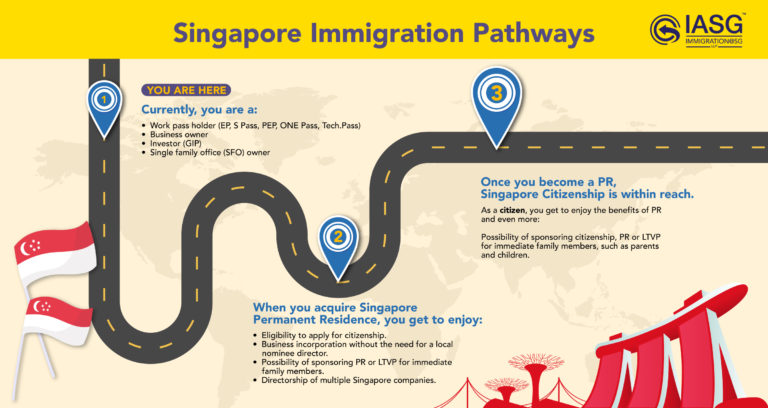
Gaming represents a specialised but meaningful niche within Singapore’s broader technology and creative industries for foreign professionals. Gaming-related roles fall under high-value sectors such as software engineering, digital media, artificial intelligence, and immersive technologies.
Foreign talent is particularly needed in areas where skills are scarce or highly specialised, including advanced game engine development, multiplayer infrastructure, VR and AR systems, artificial intelligence for gameplay and analytics, and large-scale live operations management. International professionals with strong portfolios and proven industry experience often find opportunities with multinational studios, regional headquarters, and fast-growing startups based in Singapore.
Singapore’s employment pass (EP) allows companies to sponsor qualified foreign professionals, subject to prevailing salary benchmarks and fair hiring considerations. As many gaming companies in Singapore serve regional or global markets, foreign professionals often work on projects that extend beyond the domestic market, enhancing the country’s appeal as a long-term career base.
Future of Gaming Industry in Singapore
The gaming industry in Singapore is expected to continue its upward trajectory as digital consumption patterns evolve and interactive experiences become more deeply integrated into daily life. With sustained investment in technology, talent development, and international partnerships, Singapore is well positioned to strengthen its role as a regional centre for game development, publishing, esports, and immersive innovation.
More than a source of entertainment, gaming in Singapore has become a platform for economic growth, technological experimentation, and global collaboration. As the industry matures, it will remain an important pillar of the nation’s digital economy and a compelling opportunity for businesses and professionals alike.