In an era defined by technological competition and supply chain resilience, control over critical materials has become a powerful strategic tool. China has emerged as the dominant force in the processing and supply of rare earth elements and is increasingly exerting influence over silver exports. These developments are reshaping global trade patterns, industrial strategy, and geopolitical alignments. For trade-dependent economies such as Singapore, the implications are significant but not without opportunity.
The Strategic Importance of Rare Earths
Rare earth elements (REEs), a group of 17 metals, are indispensable to modern technology. They are critical components in electric vehicle (EV) motors, wind turbines, semiconductors, defense systems, and advanced electronics. Although relatively abundant in the Earth’s crust, rare earths are difficult and environmentally intensive to refine. Over the past three decades, China has built overwhelming dominance in this refining process, accounting for the majority of global rare earth processing capacity.
This dominance extends particularly to high-value segments such as rare earth magnets, essential for EVs and renewable energy systems. By tightening export controls and licensing requirements in recent years, Beijing has signaled that rare earths are not merely commodities but strategic assets closely tied to national security and industrial policy.
The result is a shift in global perception: rare earths are no longer viewed solely as industrial inputs but as leverages of geopolitical influence.
Silver’s Rising Strategic Role
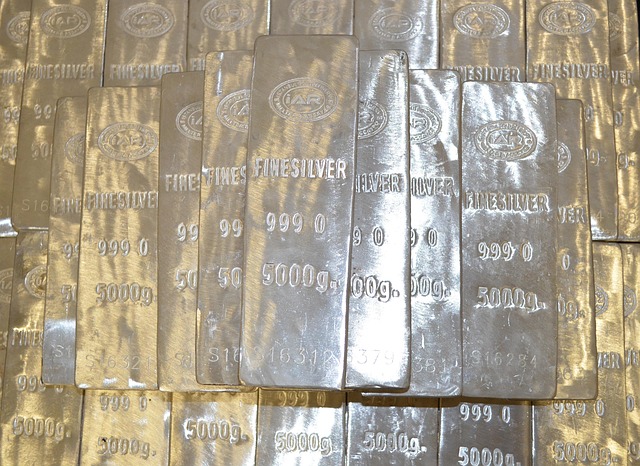
Silver, traditionally associated with investment and jewelry, has also become increasingly strategic. It possesses the highest electrical and thermal conductivity of any metal, making it vital in solar photovoltaic panels, batteries, aerospace components, and advanced electronics.
As global demand for clean energy accelerates, silver consumption in industrial applications has surged. China’s role as one of the world’s leading silver producers, combined with its growing use of export management tools, has amplified concerns about supply concentration. Even modest restrictions or licensing changes can introduce price volatility and supply uncertainty in global markets.
Global Volatility
China’s control over rare earths and its influence in silver markets have triggered a broader global response. Major economies, including the United States and the European Union, are investing heavily in diversifying supply chains, developing domestic processing capabilities, and forming new mineral partnerships with countries such as Australia and Canada.
However, building alternative refining infrastructure is capital-intensive and time-consuming. It often takes years to establish viable processing ecosystems outside China. Industries ranging from automotive manufacturing to defense technology remain exposed to supply disruptions and price fluctuations.
The broader consequence is a gradual restructuring of global supply chains, with critical minerals now at the centre of economic security strategies.
Implications for Singapore
As a highly open, trade-oriented economy, Singapore is deeply integrated into global supply chains. While Singapore does not mine rare earths or silver, it plays a crucial role in advanced manufacturing, semiconductors, precision engineering, and clean energy technologies where all sectors depend on these materials.
According to statements from the Ministry of Trade and Industry, Singapore has so far experienced limited direct disruption from China’s export measures. This resilience reflects the country’s diversified trade networks and strategic stock management. Nonetheless, prolonged supply constraints or pricing volatility could affect local manufacturers and technology firms.
The situation underscores a broader reality: Singapore’s economic strength lies not in raw materials but in its ability to adapt, coordinate, and innovate within shifting global systems.
Strategic Opportunities for Singapore
While supply concentration presents risks, it also opens meaningful avenues for growth.
- A Critical Minerals Trading and Financing Hub
Singapore is already a leading global hub for commodities trading and financial services. As companies seek to diversify rare earth and silver supply chains, Singapore can position itself as a neutral platform for trade financing, risk management, and price hedging instruments tailored to critical minerals markets. - Recycling and Circular Economy Leadership
Rising demand and supply constraints make recycling increasingly attractive. Singapore could expand industrial-scale recycling of electronic waste to recover rare earths and silver. Such initiatives would align with sustainability goals while creating new value chains in the circular economy. - Research and Advanced Materials Innovation
With strong capabilities in material science and semiconductor research, Singapore is well positioned to invest in technologies that reduce dependency on scarce materials. Developing substitutes, improving material efficiency, and enhancing recovery techniques could provide long-term competitive advantages. - Regional Supply Chain Coordination
Southeast Asia holds untapped mineral potential. Singapore can act as a trusted intermediary facilitating partnerships between regional producers and global technology firms, structuring investment flows, and supporting governance standards that enhance supply reliability.
Rare Earths and Silver as Leverage and Opportunities in Turmoil
China’s control over rare earths and its growing influence in silver markets represent more than commodity management, they reflect a broader integration of economic and geopolitical strategy. The world is responding with diversification efforts, strategic stockpiling, and new industrial policies.
For Singapore, the challenge lies in navigating supply vulnerabilities while capitalising on its strengths in trade, finance, and innovation. In a world where materials have become instruments of power, Singapore’s opportunity is not to compete as a producer, but to lead as a coordinator, financier, and innovator within the emerging critical minerals ecosystem.
In times of global uncertainty, adaptability becomes an asset. For Singapore, that adaptability may well turn strategic risk into long-term advantage. Singapore’s strategic adaptability has been an important instrument in attracting global talent and investments that keep its economy strong.