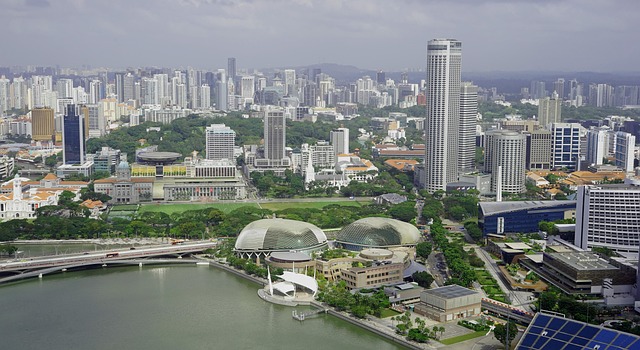
The ongoing Iran conflict in 2026 has triggered one of the most significant geopolitical and economic disruptions in recent history. With the closure of key trade routes like the Strait of Hormuz and volatility in global energy markets, capital flows are rapidly shifting toward safe, stable financial centres. In this environment, Singapore has emerged as one of the biggest beneficiaries, thus reinforcing its position as a leading global financial hub.
Global Uncertainty and the Flight to Safety
Wars do not just destroy physical infrastructure, they destabilise financial systems. The Iran conflict has caused severe disruptions to global oil supply, driving inflation, market volatility, and fears of recession.
Investor confidence has weakened globally, with businesses warning of rising costs, supply chain disruptions, and economic uncertainty.
Historically, such conditions trigger a “flight to safety,” where capital moves away from high-risk regions into jurisdictions that offer stability, legal protection, and predictability. In 2026, Singapore is one of the primary destinations for this capital shift.
Singapore’s Position as a Safe Haven
Political Neutrality and Strategic Positioning
One of Singapore’s greatest advantages is its geopolitical neutrality. Unlike financial hubs in the Middle East that are directly exposed to the conflict, Singapore maintains balanced diplomatic relations across major global powers. Other financial hubs in the world such as Shanghai, New York, and London are at risk due to their respective countries’ involvement in geopolitical conflicts.
This neutrality reduces the risk of sanctions, asset seizures, or political interference – key concerns for investors during times of war. As tensions escalate between the U.S., Iran, and regional actors and military blocs, Singapore’s ability to remain diplomatically stable makes it a trusted jurisdiction for global wealth preservation.
Strong Legal System and Wealth Protection
Singapore’s robust legal framework is another critical factor. Investors value jurisdictions where property rights are strictly enforced, contracts are reliable, and corruption is minimal.
During geopolitical crises, this becomes even more important. Wealthy individuals and institutions are not just seeking returns, they are seeking protection. Singapore’s reputation for rule of law and regulatory clarity gives it a decisive edge over emerging or politically volatile financial centres.
Currency Stability and Monetary Credibility
In times of crisis, currency stability becomes a key consideration. The Monetary Authority of Singapore (MAS) actively manages the Singapore dollar to maintain price stability, reinforcing confidence in the financial system.
While many economies face currency depreciation due to war-induced shocks, Singapore offers relative stability, making it attractive for capital preservation.
Safe-Haven Status and Capital Inflows
Singapore is widely regarded as a “safe haven” during global uncertainty. Its financial markets remain resilient even as geopolitical tensions rise.
There is growing evidence that capital, particularly from the Middle East, is being reallocated to Singapore during the Iran conflict. Investors are drawn by its stability, tax efficiency, and access to Asian growth markets.
Banking Sector Strength and Profitability
Singapore’s banking sector remains a pillar of strength. Higher global interest rates that are partly driven by inflation from the war are expected to benefit local banks by increasing profitability.
Unlike financial hubs directly exposed to conflict zones, Singapore’s banks operate in a stable environment while still capturing global capital flows.
Energy Trading and Strategic Economic Role
Singapore is also a critical energy and commodities trading centre. Despite disruptions in the Middle East, its diversified supply chains and strong infrastructure allow it to maintain resilience.
Its growing ambitions in gold trading and wealth storage further reinforce its position as a safe-haven asset hub during periods of uncertainty.
Singapore vs Dubai: Where Should HNWIs Park Their Wealth?
The Iran war has intensified comparisons between Singapore and Dubai – two of the world’s most prominent wealth hubs. While both cities attract high-net-worth individuals (HNWIs), their risk profiles differ significantly, especially in times of geopolitical instability.
Geopolitical Risk Exposure
Dubai’s greatest strength is its proximity to global energy markets but it is also its biggest vulnerability. Located in the Middle East, it is directly exposed to regional tensions, including potential spillover from the Iran conflict.
Singapore, by contrast, is geographically and politically distant from major conflict zones. This insulation dramatically reduces tail risks such as military escalation, sanctions, or regional instability affecting assets.
For HNWIs prioritising wealth preservation, this distinction is critical. Dubai offers opportunity, but Singapore offers distance from danger.
Political and Legal Certainty
Dubai operates within the broader framework of the United Arab Emirates, where legal systems, while improving, are still perceived as less predictable compared to Singapore’s common law system.
Singapore’s judiciary is internationally recognised for transparency, consistency, and strong enforcement of contracts. This gives investors confidence that their assets are protected under all circumstances, including during geopolitical crises.
For long-term wealth planning, legal certainty often outweighs short-term tax advantages.
Currency and Financial Stability
Dubai’s currency, the UAE dirham, is pegged to the U.S. dollar. While this provides short-term stability, it also limits monetary flexibility during global shocks.
Singapore’s managed exchange rate system allows MAS to respond dynamically to inflation and economic changes, enhancing long-term currency resilience.
This flexibility becomes especially valuable during global disruptions like the Iran war, where economic conditions can shift rapidly.
Reputation and Global Trust
Singapore consistently ranks among the least corrupt countries in the world and is widely trusted by global institutions.
Dubai has grown rapidly as a financial hub, but it still faces perception challenges around regulatory transparency and financial flows. In times of crisis, reputation becomes a deciding factor where capital tends to flow toward jurisdictions with the highest levels of trust.
Tax vs Security Trade-Off
Dubai is often favoured for its zero personal income tax, making it attractive for wealth accumulation.
Singapore, while not tax-free, offers competitive and transparent tax structures combined with strong legal protections and political stability.
For HNWIs, the equation shifts during periods of uncertainty. The question is no longer “Where can I earn more?” but “Where is my wealth safest over the next 10–20 years?”
Why HNWIs Are Choosing Singapore for Long-Term Safety
The Iran war has sharpened a key strategic shift among wealthy individuals: moving from opportunistic wealth growth to defensive wealth preservation.
Singapore stands out for several reasons:
- Distance from Conflict Zones
Its geographic position shields it from direct geopolitical shocks affecting the Middle East and Europe. - Institutional Strength
Strong governance, regulatory clarity, and policy consistency create a predictable environment for long-term planning. - Asset Protection Infrastructure
Singapore offers sophisticated structures such as trusts, family offices, and private banking solutions designed for generational wealth preservation. - Access to Asian Growth
While providing safety, Singapore also offers proximity to high-growth markets like Southeast Asia, China, and India thus balancing security with opportunity. - Crisis-Proven Stability
From the Asian Financial Crisis to COVID-19 and now geopolitical conflicts, Singapore has consistently demonstrated resilience and this has been noticed worldwide.
Singapore’s Strategic Advantage: Safety Is the New Currency
The Iran war has fundamentally reshaped global capital flows. While cities like Dubai remain attractive for tax efficiency and regional access, their proximity to geopolitical risk introduces uncertainty that many HNWIs can no longer ignore.
Singapore, on the other hand, offers something increasingly rare in today’s world: stability without compromise.
For high-net-worth individuals thinking beyond short-term gains and focusing on legacy, preservation, and generational wealth, the choice is becoming clearer. In an era defined by uncertainty, Singapore is not just a financial hub, it is a financial sanctuary.
How IASG Supports HNWIs in Relocating Wealth to Singapore
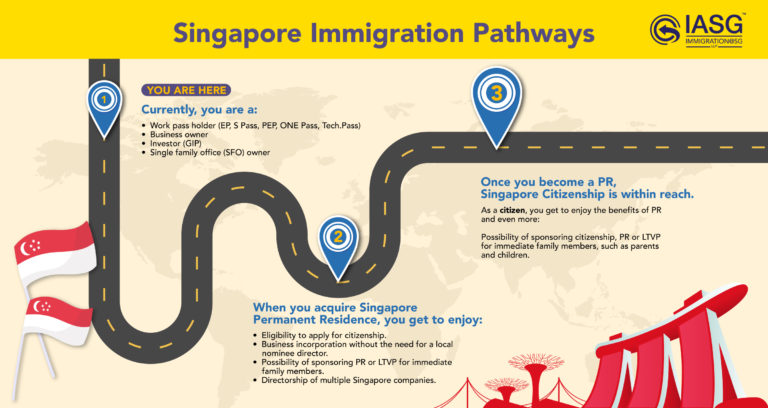
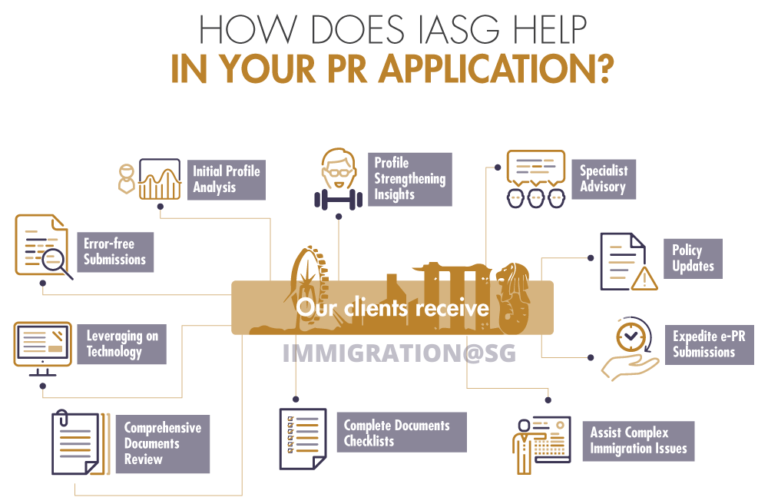
For high-net-worth individuals looking to reposition their assets into Singapore, working with an experienced advisory partner is critical. IASG provides end-to-end support tailored to wealth migration and long-term residency strategies.
IASG bridges the gap between immigration, financial structuring, and compliance. This includes facilitating Singapore Permanent Residency (PR) pathways, coordinating with licensed financial advisors for asset deployment, and advising on suitable structures such as family offices or corporate vehicles. More importantly, IASG ensures that every step from onboarding to regulatory alignment is handled with discretion and efficiency, allowing HNWIs to transition their wealth securely into Singapore’s ecosystem.
In a time where speed, trust, and compliance are essential, having a local expert like IASG reduces execution risk and ensures that wealth relocation is not just successful, but strategically optimised for the long term.