The global luxury industry, encompassing fashion, jewellery, watches, automobiles, hospitality, and lifestyle experiences, remains one of the most resilient sectors of the world economy. Historically centred in cities such as Paris, Milan, London, and New York City, the industry has undergone a gradual geographic shift over the past two decades. Asia has emerged as a key growth engine for luxury consumption, driven by rising wealth, expanding middle and upper classes, and increased global mobility.
Within Asia, Singapore has established itself as one of the region’s most influential luxury hubs despite its relatively small population. The city-state’s role in the luxury economy extends beyond that of a simple consumer market. Its concentration of wealth, strong tourism sector, and position as a gateway to Southeast Asia have made it a strategic base for luxury brands seeking to expand their presence across the region.
The Global Luxury Market
The global luxury industry is valued at hundreds of billions of dollars annually and spans several interconnected segments. These include personal luxury goods such as fashion, handbags, watches, and jewellery, as well as luxury automobiles, high-end travel, hospitality, and curated lifestyle experiences. Over time, the nature of luxury consumption has evolved. While heritage brands and craftsmanship remain central to the industry, luxury increasingly emphasises experiences, exclusivity, and personalised service.
Historically, the largest share of luxury spending occurred in Europe and North America. However, Asia has become the fastest-growing market for luxury consumption. Consumers from countries such as China, India, and several Southeast Asian nations now account for a significant portion of global luxury purchases, both domestically and while travelling abroad. This shift has prompted luxury brands to strengthen their presence in Asian markets, particularly in cities that combine economic stability with strong tourism and financial infrastructure.
Singapore’s Luxury Market
Despite having a population of approximately six million people, Singapore has developed into one of Asia’s most lucrative luxury retail markets. The country’s luxury sector has demonstrated consistent growth, supported by strong domestic purchasing power and robust tourism flows. Luxury spending in Singapore has continued to expand, reflecting the country’s position as a regional wealth hub and international shopping destination.
One of the key drivers of this growth is Singapore’s high concentration of wealthy individuals. The city is home to a large number of millionaires and billionaires relative to its population size. In recent years, it has also become a preferred location for global family offices and private wealth management firms. This influx of wealth has created sustained demand for high-end goods and services, ranging from fashion and jewellery to luxury real estate and bespoke lifestyle experiences.
Tourism also plays a significant role in the luxury retail ecosystem. Singapore attracts millions of visitors each year, many of whom travel specifically for shopping, dining, and premium hospitality. Affluent tourists from across Asia and beyond often view Singapore as a convenient and reliable destination for purchasing luxury goods, particularly given the country’s reputation for authenticity, quality retail experiences, and strong consumer protections.
Another important factor is Singapore’s strategic role as a gateway to Southeast Asia. For many luxury brands, Singapore functions as a testing ground for regional expansion. Companies frequently launch flagship stores, new retail concepts, or innovative customer experiences in the city before extending them to other markets such as Jakarta, Bangkok, or Ho Chi Minh City. The city-state’s stable regulatory environment, advanced infrastructure, and sophisticated consumer base make it an ideal location for experimenting with new luxury retail strategies.
Singapore Compared with Global Luxury Capitals
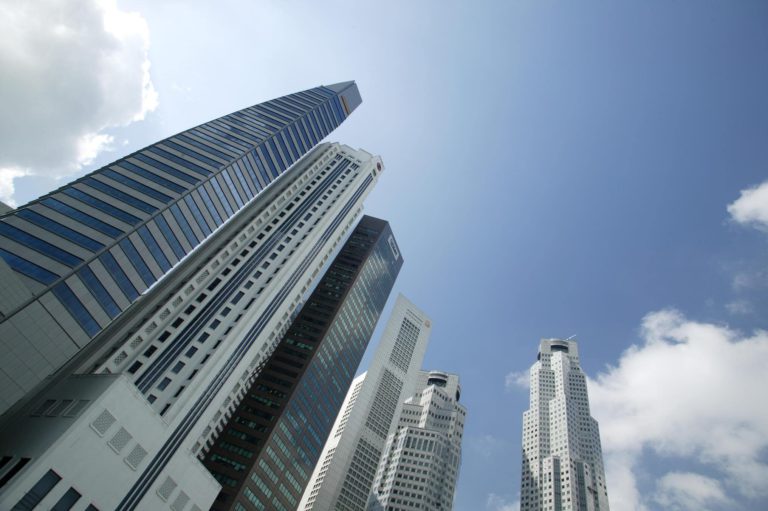
Although Singapore is smaller than traditional luxury capitals, it plays a distinct role in the global luxury landscape. Cities such as Paris and Milan remain the historic centres of luxury design and manufacturing, while London and New York serve as major financial and cultural hubs that support luxury consumption and branding. In contrast, Singapore’s role is shaped primarily by its position as a financial centre and a gateway to Southeast Asia.
One of Singapore’s defining characteristics is the exceptionally high purchasing power of its residents and visitors. Luxury brands often report strong returns from their Singapore stores despite the country’s relatively small population. Spending is highly concentrated among wealthy residents, expatriates, and international tourists, allowing retailers to maintain high sales volumes in compact retail districts.
Singapore has also benefited from its stability relative to some regional competitors. While other Asian luxury markets have experienced periods of volatility, Singapore’s consistent regulatory environment and strong economic fundamentals have helped maintain steady demand. In recent years, the city has ranked among the most expensive places in the world for luxury shopping, reflecting both high demand and the premium nature of its retail landscape.
Luxury Districts in Singapore
Luxury retail activity in Singapore is concentrated in several prominent districts. Orchard Road has long served as the country’s primary shopping boulevard, housing numerous high-end boutiques and flagship stores. The area attracts both local consumers and international tourists seeking premium retail experiences.
The Marina Bay area has emerged as another key luxury destination. This district integrates high-end retail with luxury hotels, waterfront attractions, and entertainment complexes, creating an environment that combines shopping with lifestyle experiences. The focus in this area is often on immersive retail environments designed to appeal to affluent global travellers.
Sentosa Island also plays an important role in Singapore’s luxury ecosystem. Known for its upscale resorts, private clubs, and luxury residential developments, Sentosa attracts high-net-worth individuals seeking exclusive leisure experiences. The island’s hospitality and tourism infrastructure contribute to Singapore’s broader reputation as a premium lifestyle destination.
Middle-Income Luxury Consumers in Singapore
While the luxury market in Singapore is strongly supported by high-net-worth individuals, it would be incomplete to view it as driven solely by the wealthy. A significant and growing portion of luxury consumption comes from middle-income earners who participate in the market in more selective and intentional ways.
In Singapore’s context, middle-income consumers often approach luxury as an aspirational yet attainable lifestyle. Rather than engaging in frequent high-value purchases, they tend to buy luxury goods occasionally, prioritising items that carry long-term value or personal significance. Products such as designer handbags, watches, or small leather goods are commonly viewed as milestone purchases, often tied to career achievements, bonuses, or major life events.
The concept of “entry-level luxury” plays a central role in enabling this segment’s participation. Many luxury brands offer products at relatively lower price points compared to their flagship items, allowing middle-income consumers to access the brand without committing to ultra-high expenditure. This strategy not only broadens the customer base but also builds long-term brand loyalty.
Financing options and payment flexibility have also contributed to this trend. Instalment plans, credit card rewards, and buy-now-pay-later schemes make it easier for consumers to manage the cost of luxury purchases over time. While such mechanisms increase accessibility, they also reflect a shift in how luxury is perceived; not merely as an exclusive domain of the wealthy, but as something that can be integrated into broader lifestyle aspirations.
In addition, the rise of the secondary luxury market has made high-end goods more accessible. Pre-owned luxury platforms and resale boutiques allow consumers to purchase authenticated items at lower prices, creating a circular economy around luxury goods. This has been particularly appealing to younger and more price-conscious buyers who value both affordability and sustainability.
Social media and digital exposure further influence middle-income participation in the luxury market. Platforms such as Instagram and TikTok have normalised luxury consumption by showcasing it as part of everyday lifestyle content. This visibility reinforces aspirational behaviour and encourages consumers to engage with luxury brands, even if on a smaller scale.
Ultimately, the presence of middle-income consumers adds depth and resilience to Singapore’s luxury market. Their participation supports consistent demand across different price tiers and helps sustain the industry beyond reliance on ultra-wealthy buyers alone.
Emerging Trends in Singapore’s Luxury Industry
The luxury sector in Singapore is undergoing several notable transformations. One major trend is the growing emphasis on experiential luxury. Retail spaces are increasingly designed to provide immersive experiences rather than simply display products. Flagship stores now incorporate elements such as private lounges, personalised consultations, and curated events that deepen customer engagement.
Another important shift is the rise of understated or “quiet” luxury. Many affluent consumers are moving away from conspicuous branding in favour of products that emphasise craftsmanship, heritage, and exclusivity. This preference reflects broader cultural changes in which sophistication and subtlety are increasingly valued over overt displays of wealth.
Luxury consumption is also expanding beyond physical goods to include lifestyle experiences. Fine dining, wellness services, curated travel, and private memberships are becoming integral components of the luxury ecosystem. Singapore’s strong hospitality sector, Michelin-recognised restaurants, and premium travel infrastructure support this evolution toward experience-based luxury.
At the same time, luxury brands are increasingly engaging younger consumers through what is sometimes referred to as “accessible luxury.” While maintaining premium branding, companies offer entry-level products and experiences that appeal to aspirational buyers. This approach allows brands to cultivate long-term relationships with future high-spending customers.
Employment Opportunities in the Luxury Economy
The growth of Singapore’s luxury sector has created a wide range of career opportunities across multiple industries. Retail remains one of the most visible sectors, with roles ranging from luxury sales advisors to store managers and client experience specialists. These professionals play a critical role in maintaining the personalised service standards that define luxury retail.
Marketing and digital strategy have also become increasingly important. Luxury brands operating in Singapore often manage regional marketing campaigns from the city, creating demand for specialists in brand strategy, digital marketing, customer relationship management, and influencer engagement.
The luxury economy is closely connected to Singapore’s broader financial sector as well. Wealth management, private banking, and family office services frequently intersect with luxury consumption patterns, creating career paths in advisory services related to art, collectibles, luxury real estate, and investment-grade assets.
In addition, Singapore’s hospitality and tourism industries generate employment opportunities in luxury hotels, event management, concierge services, and premium travel planning. These roles support the city’s reputation for high-quality service and exclusive experiences.
Business Opportunities in Singapore’s Luxury Ecosystem
Entrepreneurial opportunities have also expanded alongside the growth of the luxury sector. Businesses that cater to high-net-worth individuals such as luxury concierge services, private travel planning, and bespoke lifestyle management have become increasingly viable in Singapore’s affluent environment.
Another emerging area involves premium experiences and curated services. Entrepreneurs are developing businesses focused on private dining events, wellness retreats, and personalised travel itineraries tailored to affluent clients seeking unique and exclusive experiences.
Digital marketing agencies specialising in luxury branding are also gaining importance. Because luxury consumers require highly tailored communication strategies, brands increasingly rely on agencies with expertise in reaching affluent audiences across Southeast Asia.
Secondary markets for luxury goods represent another area of growth. Platforms that facilitate the resale, authentication, and trading of high-end watches, handbags, and collectibles are expanding rapidly, reflecting rising demand for investment-grade luxury assets.
Luxury Industry and Singapore’s Participation in it as a Wealth Hub
The global luxury industry is undergoing a period of transformation marked by shifting consumer preferences and changing geographic centres of consumption. Within this evolving landscape, Singapore has emerged as a significant luxury hub in Asia. Although smaller than traditional fashion capitals, the city-state offers a unique combination of wealth concentration, political stability, and regional connectivity.
As luxury consumption continues to evolve toward personalised experiences and lifestyle integration, Singapore’s strengths in finance, tourism, and high-end services position it well to remain a central player in the regional luxury economy. For businesses, professionals, and entrepreneurs alike, the city offers a growing range of opportunities within one of the world’s most dynamic luxury markets.